Optimizing Flat Clearance in Temple Environments
Introduction to Flat Clearance in Temple
The Essential Role of Clean Sacred Spaces
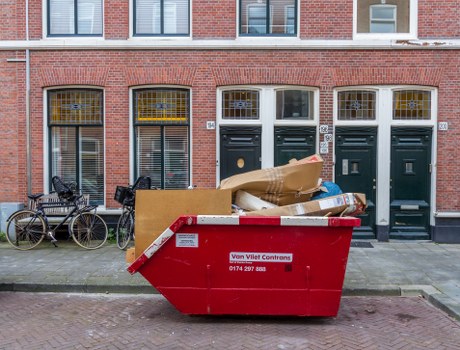
Flat clearance in temple activities represent a foundational aspect of temple maintenance and renewal. Temples, as centers of both spiritual and communal life, require regular attention to ensure they remain sanctuaries of peace and inspiration. The process of flat clearance involves a thorough cleaning, refreshing, and often reorganizing of space, ranging from the removal of obsolete items to the careful preservation of traditional artifacts. This process is not merely about housekeeping; it reflects a deep commitment to honoring the sacred heritage embedded within these ancient walls. Many traditions believe that a clean temple fosters a positive spiritual atmosphere, encouraging both devotees and visitors to connect on a profound level with their inner selves. Hence, flat clearance in temple projects are approached with meticulous care and regarded as an act of renewal and respect.
Historically, temples have undergone numerous renovations and clearances not only to adapt to changing societal needs but also to reaffirm their cultural identity. Over time, the accumulation of items that no longer serve a spiritual purpose can detract from the temple’s intended energy and aesthetics. Meticulous flat clearance efforts are thus essential to reclaim the purity of the space. These efforts often incorporate traditional cleaning methods passed down through generations, combined with modern practices to ensure both respect for tradition and adherence to current standards of hygiene and safety. By integrating these methodologies, temple authorities are able to create a balanced environment that honors the past while embracing the needs of modern worshippers.
The significance of flat clearance in temple practices extends beyond physical cleaning. It is an act imbued with symbolism—a ceremonial purification that resonates with many cultural and spiritual narratives. Temples are not only places of ritual worship but also guardians of cultural heritage. Therefore, strategic clearance operations are executed with both technical precision and an understanding of deeper spiritual meanings. When a temple space is cleared and revitalized, it invites new energies and opportunities for spiritual growth. This sacred undertaking highlights how environmental order and spiritual order are interconnected, inviting practitioners to reflect on the importance of both inner and outer purification. Contact us today to learn more about how flat clearance initiatives can transform your sacred spaces into beacons of hope and traditional excellence.
Historical and Cultural Importance
Understanding the Past through Temple Maintenance
![A large commercial waste dumpster with a white metal body and a blue hinged lid, positioned on a paved surface adjacent to a curb. The container features red and white striped reflective tape on its sides and a no-parking sign sticker on the front right corner. It is situated outdoors, with a background of tall grass or weeds along a fence line and a partly cloudy sky above. The overall scene suggests an urban or suburban environment, possibly near a flat or property in the vicinity of [POSTCODE], with the container used for rubbish removal services provided by Commercial Waste Temple as part of a flat clearance or temple renewal project in the [TOWN] area.](/pub/_photos/rubbish/f1341001104.jpg)
The concept of flat clearance in temple history dates back centuries, with early records indicating systematic efforts to maintain sacred spaces. Temples have always been at the heart of community life, and the upkeep of these sanctuaries plays a crucial role in preserving religious traditions and cultural heritage. These ancient sites often contain relics, murals, statues, and other significant symbols that narrate the history of faith and communal identity. Over time, the process of flat clearance was not only a physical necessity but also a cultural ritual that reconnected the community with its roots. Deep respect and understanding for the cultural contexts often lead to customized methods that blend historical wisdom with modern technology, ensuring that valuable elements are preserved even as unnecessary clutter is removed.
In many traditions, the act of clearing a temple is intertwined with spiritual rituals and symbolic gestures. Specialized ceremonies are performed to bless the site, cleanse its energy, and prepare it for future use. These rituals often include chanting, the sprinkling of holy water, and other religious practices that underscore the temple’s sacred nature. The preservation of relics and historical artifacts while engaging in systematic clearance is essential to maintain the continuity of tradition and ensure that future generations can experience a tangible connection to the past. This careful attention to both detail and symbolism illustrates how flat clearance in temple settings is as much a spiritual endeavor as it is a practical one.
Furthermore, the historical evolution of temple clearances showcases the adaptive nature of these institutions. As communities evolved, so did the methods for maintaining temple spaces. Early practices were often labor-intensive and steeped in ritualistic tradition, while modern approaches now incorporate advanced cleaning solutions and environmental safety norms. Nonetheless, the fundamental principle remains the same: to foster an environment where spirituality can flourish. By balancing traditional methods with contemporary practices, temple authorities ensure that flat clearance maintains its historical essence while meeting modern-day requirements. This fusion of past and present produces results that resonate deeply with both devotees and cultural historians, ensuring that every temple clearance activity is a harmonious blend of function and tradition.
Planning and Preparation for Flat Clearance
Effective Strategies and Considerations

Before embarking on a flat clearance in temple settings, meticulous planning and preparation are essential. These preparatory stages ensure a smooth execution that respects both the sacred nature of the temple and the technical demands of the clearance process. Planning involves a thorough assessment of the temple’s layout, identifying areas that require immediate attention, and recognizing spaces with historical significance. The goal is to devise a plan that is not only efficient and cost-effective but also sensitive to the spiritual energy that permeates the site. Detailed risk assessments, timelines, and resource allocations are key components of this preparatory phase, ensuring that every action taken supports the temple’s sacred purpose.
Creating a comprehensive plan for flat clearance requires input from multiple stakeholders, including temple management, traditional custodians, cleaning experts, and sometimes even local authorities. This collaborative approach enables the development of robust strategies that integrate both modern and traditional practices. It is common to see structured initiatives which include step-by-step processes, from the categorization of items that need to be removed to the identification of artifacts that must be preserved. Key considerations in such planning are the environmental impact of cleaning agents used, the safety protocols during the clearance operation, and the eventual restoration efforts. These comprehensive plans often rely on checklists, timelines, and responsibility matrices to ensure that each stage of the project is executed with precision.
Moreover, the planning process involves an open dialogue with community leaders and religious scholars, ensuring that the clearance is performed in a manner that is both respectful and inclusive. Regular meetings and consultations contribute to building trust and ensuring that every stakeholder understands the scope and importance of the activity. The resulting plan not only serves as a blueprint for the physical work but also reinforces the cultural and religious significances embedded within the temple. Emphasizing clarity, consistency, and community collaboration, such planning sets a standard that many modern temple projects have adopted with great success. Book your service now to experience the benefits of a well-organized flat clearance initiative that honors both tradition and modern efficiency.
Execution Strategies and Safety Measures
Implementing Best Practices in Temple Clearance
Ensuring Safety and Efficiency

The execution phase of flat clearance in temple projects requires carefully choreographed processes that emphasize safety, efficiency, and respect for the sacred spaces. During this phase, the meticulously prepared plan is put into action with teams of trained professionals who follow strict protocols. Safety measures are of utmost importance, as working within ancient temples poses unique challenges such as delicate architectural elements and historically significant artifacts. Every step of the clearance process is executed with care, utilizing modern safety equipment and environmentally friendly cleaning agents that protect both the temple and its visitors. These strategies ensure that the project proceeds without accidents and that the temple can continue serving its spiritual community uninterrupted.
A key component of successful execution is the integration of specialized cleaning techniques that are tailored to the temple’s structural and cultural needs. Techniques range from high-pressure cleaning, steam cleaning, to using biodegradable cleaning agents—all selected based on their effectiveness and minimal impact on delicate surfaces. This careful selection process guarantees that each area of the temple receives the attention it requires, be it the marble floors, intricate stone carvings, or ancient textiles. In addition, many teams apply a pre-emptive risk analysis, which includes monitoring air quality, structural stability, and accessibility to ensure that the working environment remains secure throughout the project. These methods not only enhance efficiency but also build confidence among temple custodians and the broader community.
It is also common for the execution phase to include documentation of the clearance process. Detailed records and photographic evidence help in maintaining transparency and may serve as historical references for future projects. This documentation also proves crucial for post-clearance assessments and restoration initiatives. Safety briefings are systematically conducted at the beginning of each shift, emphasizing the importance of following established safety protocols and respecting the temple’s sanctity. The culture of discipline and respect that permeates these activities ultimately reflects in the final outcome—a pristine temple space that remains a beacon of spirituality. The focus on both operational excellence and respectful treatment of the space underscores the vital role that flat clearance in temple settings plays in modern heritage management. Contact us today for more information on our safe and efficient clearance solutions that harmonize tradition with modernity.
Post-Clearance, Restoration, and Future Prospects
Looking Ahead: Renewal and Community Impact
Restoration and Long-Term Sustainability
![The image shows a collection of discarded furniture and wooden items arranged against a grey brick wall outdoors, on a cobblestone surface. The collection includes several light-colored wooden chairs, some with slatted backs and others with curved or straight designs, stacked and leaning against each other. There are also wooden tables with rectangular and round tops, some with legs and others without, all in various states of disassembly or disorder. To the left, a tall narrow wooden cabinet or cupboard with a partially open door reveals internal shelves; it has a rustic appearance with a natural wood finish. On the right, a metal wire shelving unit is visible, standing upright with multiple tiers. The surrounding environment suggests an urban setting, possibly a driveway or back alley, aligning with the services of Commercial Waste Temple for rubbish removal and flat clearance in the [POSTCODE] area near [TOWN]. The scene may reflect a clearance or waste collection process typical of local rubbish disposal services in the UK.](/pub/_photos/rubbish/f1279715960.jpg)
Once the flat clearance in temple is completed, attention shifts to restoration and long-term sustainability. The period immediately following the clearance is critical as it sets the stage for reinvigorating the temple’s aesthetic and spiritual ambiance. Restoration efforts may include the repair of structural elements, conservation of historic artworks, and even the integration of modern facilities that enhance the temple’s accessibility without compromising its heritage. These efforts are aimed at creating a resilient environment that not only honors the temple’s historical value but also meets the modern needs of its community. The process of restoration is not merely about retracing steps; it involves a thoughtful integration of new ideas with traditional aesthetics, ensuring that the temple remains a living symbol of cultural continuity.
In the post-clearance phase, community involvement is highly encouraged. Many temple management teams organize cultural events, art exhibitions, and educational seminars that highlight the temple's history and its ongoing transformation. Such initiatives not only celebrate the legacy of the temple but also foster a sense of communal ownership and pride. By involving local artisans, historians, and religious figures, restoration projects can harness a wealth of knowledge that informs better practices and enhances the temple’s cultural footprint. Moreover, community-driven collaborations ensure that the restored temple evolves as a shared space of learning, reflection, and mutual respect. In this light, flat clearance is seen as the first step towards a broader vision of sustainable heritage management, where each phase—from clearance to restoration—contributes to a vibrant and dynamic sacred space.
Looking to the future, the principles of flat clearance in temple projects are likely to influence similar initiatives on a global scale. As cultural heritage becomes increasingly recognized as a vital asset, initiatives that blend tradition with state-of-the-art technology will gain prominence. Advances in technology, such as digital archiving and remote monitoring, are being integrated into restoration projects, ensuring that every step is meticulously recorded and analyzed. These advancements not only boost efficiency but also enhance transparency and accountability in managing sacred sites. The gradual evolution of flat clearance methods stands as a testament to the resilience and adaptability of our cultural heritage. As we continue to value and preserve these ancient treasures, the modern techniques employed will help bridge the gap between old traditions and future innovations. Book your service now to join the movement towards a clean, revitalized, and sustainable sacred environment that honors both the past and the promise of tomorrow.
Flat clearance in temple is thus more than a routine maintenance task—it is a profound endeavor that unites technical expertise with cultural reverence. From the initial stages of planning to the final touches of restoration, every phase of the process reflects an unwavering commitment to preserving the sanctity of these spiritual havens. As temples continue to adapt to the changing times, the integration of modern techniques with timeless traditions will ensure that these revered spaces remain centers of inspiration for generations to come. The intricate details, innovative approaches, and deep cultural insights that define these efforts underscore the essential role of flat clearance in temple environments.
The journey to achieve a successfully cleared temple begins with recognizing the intrinsic value of maintaining a clean and well-organized sacred space. Whether it involves the removal of outdated materials, the delicate conservation of historically significant elements, or the implementation of safety and restoration protocols, the entire process is a reflection of dedication and passion. The impact of these initiatives is felt not only in the physical appearance of the temple but also in its ability to inspire, uplift, and rejuvenate the human spirit. Indeed, the care taken during every phase of the clearance—from the assembly of expert teams to the execution of detailed plans—stands as a shining example of how respect for tradition can seamlessly align with modern best practices.
Moreover, as the discourse around heritage conservation continues to evolve, professionals in the field are regularly encouraged to innovate and adapt. Through forums, workshops, and collaborative projects, experts share insights and experiences, driving forward the dialogue on effective temple maintenance. The success stories of previous flat clearance projects serve as blueprints for future endeavors, highlighting the importance of community participation, ethical practices, and a clear vision. These narratives are invaluable as they provide practical examples of how strategic planning and execution can transform even the most traditional spaces into resilient, modern sanctuaries without sacrificing their historical essence. Embracing this forward-thinking mindset, many now see flat clearance in temple settings as a dynamic field that is as much about cultural preservation as it is about technical excellence.
In conclusion, the multifaceted process of flat clearance in temple environments—encompassing careful planning, safe execution, and thoughtful restoration—ensures that these sacred sites remain emblematic of spiritual and cultural heritage. The commitment to maintaining these spaces goes hand in hand with the broader objective of fostering community well-being and intergenerational legacy. As we continue to explore innovative methods that respect age-old traditions while embracing modern advancements, it becomes clear that every aspect of the project, whether technical or symbolic, contributes towards a safe and rejuvenated temple environment. Contact us today to discover how our expert team can help transform your temple into a sanctuary that reflects both historical grandeur and modern sophistication. Let us work together towards a future where every temple, no matter its age, stands as a resilient beacon of wisdom, unity, and hope for generations to come.
